

Types of Agricultural Shade Nets: Technical Guide & Crop Protection
In modern controlled-environment agriculture and commercial horticulture, managing solar radiation, ambient temperature, and humidity is critical to maximizing crop yields. Agricultural shade nets—engineered from UV-stabilized high-density polyethylene (HDPE)—provide precision microclimate control, protecting delicate crops from heat stress, excessive ultraviolet radiation, and wind damage.
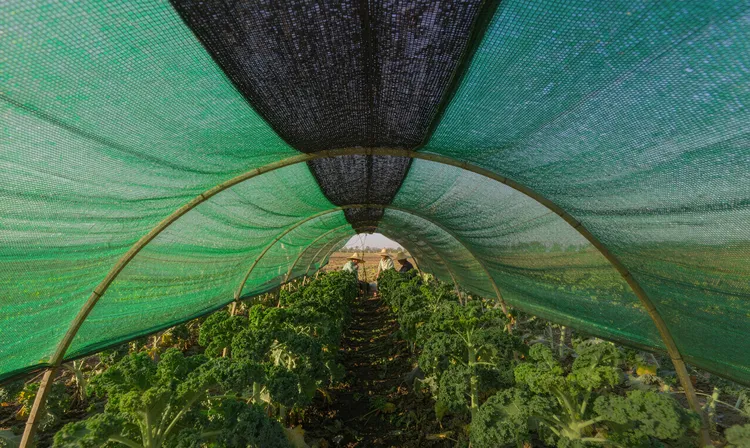
4 Major Types of Agricultural Shade Nets & Their Applications
Knitted HDPE Shade Nets (Raschel Construction): Manufactured using lock-stitch Raschel knitting, these nets offer exceptional mechanical flexibility and tear resistance. If punctured by falling branches or heavy hail, the lock-stitch pattern prevents the mesh from unravelling. Available in shading percentages ranging from 30% to 90%, knitted nets are widely used for general greenhouse shading, plant nursery protection, and shade-loving crop cultivation (such as ferns, ginseng, and leafy greens).
Woven Tape Shade Nets: Produced by weaving flat HDPE tapes (monofilament and tape combinations), woven shade nets provide high tensile strength and rigid structural durability. They are exceptionally well-suited for permanent perimeter windbreaks, large open-field crop covers, and livestock shade structures where high wind resistance and long-term weathering endurance are required.
Aluminet Reflective Thermal Screens: Aluminet nets feature specialized high-density polyethylene strands coated with a micro-thin layer of aluminum. Instead of merely absorbing heat like black shade cloth, Aluminet reflects excess infrared and solar radiation away from the greenhouse canopy during scorching summer months while trapping nocturnal radiant heat during cold snaps. This dual thermal reflection can reduce internal greenhouse temperatures by 5°C to 8°C (9°F to 14°F) compared to standard black nets.
Greenhouse Sunshade Nets (Customized Shading Densities): Tailored specifically for commercial greenhouse roof systems, these nets deliver balanced light diffusion. By diffusing direct sunlight into scattered radiation, they ensure lower leaves receive adequate photosynthetically active radiation (PAR). Shading levels are customized based on agronomic needs: 30% to 50% shade for sun-loving vegetables (tomatoes, peppers), and 60% to 80% shade for orchids, cattleya, and delicate propagation cuttings.
4 Core Agronomic Benefits of Professional Shade Netting
Microclimate Temperature Regulation: Shade nets intercept high-intensity solar radiation, preventing extreme temperature spikes inside greenhouses and mitigating thermal shock in sensitive crops during peak afternoon hours.
Precise UV Radiation Mitigation: Premium HDPE nets incorporate hindered amine light stabilizers (HALS) that block 90% to 95% of harmful UV-A and UV-B rays, preventing leaf scorch, blossom end rot, and fruit sunburn.
Enhanced Air Circulation & Fungal Prevention: Unlike solid plastic films, open-mesh netting permits continuous natural airflow, preventing stagnant humidity pockets that breed powdery mildew, botrytis, and other fungal pathogens.
Long-Term UV Durability & Weather Resistance: Industrial agricultural shade nets are treated for severe UV exposure, offering an operational service lifespan of 5 to 8+ years under intense tropical and subtropical sunlight conditions.
Optimize Your Crop Yields Today
Selecting the correct shade net construction, shade percentage, and thermal reflection technology ensures your crops thrive in a balanced, protected microclimate.
Contact our agricultural engineering team today to request fabric samples, light transmission technical data sheets, and competitive factory-direct pricing for your greenhouse or farm project.