

How to Shade Plants From the Sun
Effective Strategies to Protect Your Garden During Summer Heat
Summer brings intense sunlight that can damage delicate plants, stunt growth, and reduce harvest yields. Learning how to shade plants from the sun is essential for any gardener or commercial grower. Among all available solutions, shade nets offer the most effective, affordable, and versatile protection. This guide will help you understand why shade nets outperform other methods and how to choose the right one for your needs.
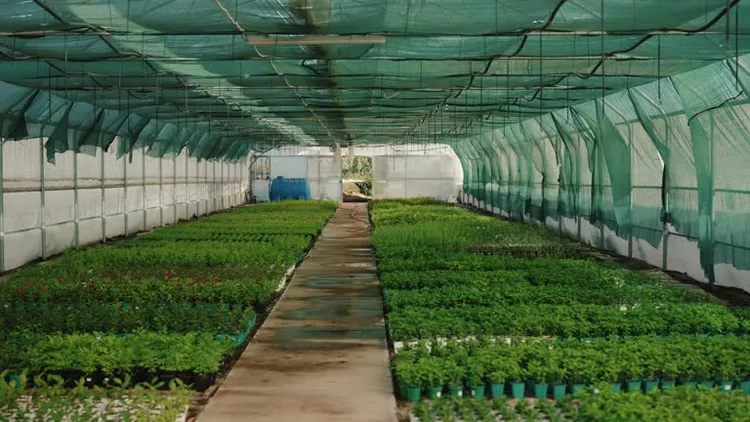
Why Plants Need Protection from Excessive Sun
While sunlight is vital for photosynthesis, too much direct exposure causes heat stress, leaf scorch, and soil moisture evaporation. When temperatures exceed 32°C, many common vegetables and ornamentals begin to suffer. Tomato flowers may drop without setting fruit, leafy greens become bitter and bolt, and young seedlings can die within hours. Knowing how to shade plants from the sun prevents these losses and extends your growing season.
Shade Nets: The Professional Solution
The most effective way to shade plants from the sun is by installing shade nets. Unlike makeshift covers such as old bed sheets or tarps, shade nets are engineered specifically for plant protection. They are manufactured from UV-stabilized high-density polyethylene that blocks a controlled percentage of sunlight while allowing adequate air circulation. Available in densities ranging from 30% to 90%, shade nets give growers precise control over light levels for different crops.
Choosing the Right Shade Percentage
Selecting the correct density of shade nets depends on your plants' needs. Leafy greens like lettuce, spinach, and kale thrive under 30-50% shade nets, which reduce heat stress while maintaining sufficient light for growth. Flowering and fruiting crops such as tomatoes, peppers, and eggplants benefit from 40-60% shade nets during peak summer. Orchids, ferns, and other shade-loving plants require 70-90% shade nets to mimic their natural forest floor environment.
Proper Installation for Maximum Protection
To effectively shade plants from the sun, proper installation of shade nets is critical. Install the net on a frame or support structure that allows at least 30-50cm of air space between the net and plant canopy. This gap prevents heat buildup and ensures adequate airflow. Secure shade nets firmly to withstand wind, and consider making one side removable or roll-up for cloudy days when full sun is beneficial.
Green vs. Black Shade Nets
When selecting shade nets, color matters. Green shade nets provide balanced light diffusion that promotes even growth and reduces glare for workers. They blend naturally with garden surroundings and are preferred for most vegetable and ornamental applications. Black shade nets absorb heat and create cooler conditions underneath, making them ideal for shade-loving plants and post-harvest storage areas. Both colors are available in multiple densities to suit your specific requirements.
Additional Benefits of Shade Nets
Beyond temperature reduction, shade nets offer multiple benefits for plant health. They act as a physical barrier against birds, insects, and wind-blown debris. By reducing soil moisture evaporation, shade nets lower irrigation requirements by 30-40% compared to unprotected growing areas. Shade nets also protect against hail damage and reduce the spread of airborne plant diseases by moderating humidity levels.
A Real-World Case Study
A commercial lettuce farm in California experienced consistent summer crop losses exceeding 25% due to heat stress and bolting. After installing 40% green shade nets over 10 acres of production, the farm achieved remarkable results. Leaf temperatures dropped by 8°C, irrigation frequency decreased by 35%, and summer crop losses fell to under 5%. The farm recouped its investment in shade nets within a single growing season while producing higher-quality greens for premium markets.
Common Mistakes to Avoid
When learning how to shade plants from the sun, avoid these common errors. Using solid tarps instead of shade nets blocks all light and traps heat, killing plants underneath. Installing shade nets too close to plants restricts airflow and creates humid conditions that promote fungal diseases. Choosing cheap, non-UV-stabilized shade nets leads to rapid degradation, with materials crumbling within months of sun exposure.
Knowing how to shade plants from the sun effectively can transform your summer gardening success. Shade nets provide the perfect balance of light reduction, temperature control, and airflow for healthy plant growth.
To explore our comprehensive range of premium shade nets, please visit our website at www.cnsafetynet.com. For expert guidance and personalized assistance tailored to your specific crops and growing conditions, contact us at info@cnsafetynet.com. Our team is ready to help you protect your plants and maximize your harvest.