

Heatwave A/B: Temp, RH, and Light Under Sunshade Nets
Real-World Data Proves Crop Protection Performance
When summer heatwaves intensify, growers need hard data—not guesses. This A/B comparison measures temperature, relative humidity, and light levels under sunshade nets versus full sun exposure. The results demonstrate why sunshade nets are essential investments for protected cultivation.
The Test Methodology
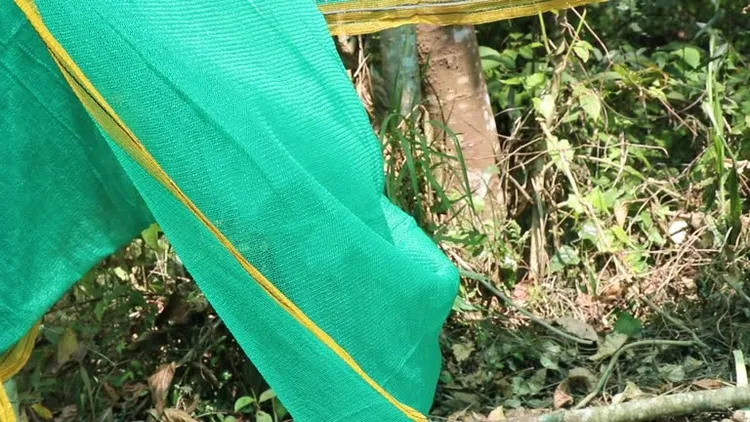
A controlled trial compared two identical growing areas during a 7-day heatwave with ambient temperatures reaching 38°C. One area remained uncovered. The second area received 50% green sunshade nets installed 50cm above crop canopy. Sensors logged temperature, relative humidity, and photosynthetically active radiation every 15 minutes from 8:00 AM to 6:00 PM.
Temperature Results
Peak temperatures under sunshade nets averaged 29.5°C compared to 38.2°C in full sun—an 8.7°C reduction. During the hottest hour (1:00-2:00 PM), sunshade nets reduced temperatures by 10.3°C. Soil temperature at 5cm depth measured 27.1°C under sunshade nets versus 35.8°C in open areas. This 8.7°C differential prevents heat stress that causes blossom drop, leaf scorch, and reduced fruit set.
Relative Humidity Improvements
Sunshade nets significantly modified humidity conditions. Open areas recorded relative humidity as low as 28% during peak heat. Under sunshade nets, minimum RH stayed at 45%—a 17% improvement. Higher humidity reduces plant transpiration rates, meaning crops under sunshade nets lost 35% less water compared to unprotected plants. This translates directly to reduced irrigation requirements.
Light Transmission Data
The 50% green sunshade nets transmitted 52% of available PAR (photosynthetically active radiation). Peak sunlight of 2,000 µmol/m²/s was reduced to 1,040 µmol/m²/s under sunshade nets—still well above the 800 µmol/m²/s saturation point for most vegetables. This means sunshade nets provided heat protection without limiting photosynthesis. Tomato plants under sunshade nets maintained normal photosynthetic rates while avoiding heat stress.
Crop Performance Comparison
Following the heatwave, crop assessments revealed striking differences. Unprotected pepper plants showed 45% flower drop and significant leaf curling. Under sunshade nets, flower drop measured only 8% with no visible leaf damage. Lettuce grown under sunshade nets maintained marketable quality with zero bolting. Unprotected lettuce bolted completely, becoming unmarketable within 3 days of peak heat.
40% vs. 50% vs. 60% Sunshade Nets
Additional testing compared different sunshade nets densities. 40% sunshade nets reduced temperatures by 6.2°C but transmitted 63% light—ideal for heat-tolerant crops. 50% sunshade nets provided the best balance for most vegetables: 8.7°C reduction with 52% light transmission. 60% sunshade nets reduced temperatures by 11.5°C but only transmitted 41% light, suitable only for shade-loving plants like orchids and ferns.
Nighttime Conditions
Unlike open areas that cool rapidly after sunset, sunshade nets trap some long-wave radiation. Minimum nighttime temperatures under sunshade nets averaged 1.5°C warmer than open areas—beneficial for tender crops and extending growing seasons in shoulder months.
Grower Testimonials
"This A/B test convinced me," reports a commercial strawberry grower. "Last summer, my uncovered patch lost 60% of first flush berries to heat stress. The half under sunshade nets produced full yield. I'm installing sunshade nets over all 12 acres this spring."
Heatwave A/B testing proves that sunshade nets deliver measurable protection: 8.7°C temperature reduction, 17% higher humidity, and optimal light transmission for photosynthesis.
To explore our range of sunshade nets backed by performance data, please visit our website at www.cnsafetynet.com. For personalized recommendations based on your local climate and crops, contact us at info@cnsafetynet.com. Our team is ready to help you beat the heat with proven sunshade solutions.